Biography
A. Abbas Elmas is a Research Associate with a PhD in Computer Engineering from Çukurova University. His research interests focus on 3D Reconstruction, Computer Vision, and UAV Image Processing.
Interests
- Computer Vision
- Digital Image Processing
- 3D Mesh Compression
- Structure-from-Motion
- Photogrammetry
- SLAM
- Image Features
- Aerial Image Acquisition
Education
PhD in Computer Engineering, 2026
Çukurova University
MSc in Computer Engineering, 2019
Çukurova University
BEng in Computer Engineering, 2014
KTO Karatay University
BEng in Mechanical Engineering, 2009
Turkish Military Academy
High School, 2008
Maltepe Military High School
Experience
Intern
Worked on a needed proof of concept (PoC)project about Türk Telekom customer’s main product availability list. PoC project created with C# language on Visual Studio connected to Oracle 10g database. I have optimized the application with Entity framework and reduced response time significantly.
Research & Development (Software) Engineer
Android based STB with DVB S/S2 - T/T2 support, Tübitak 1501 project. I was responsible for implementing DVB on our device including kernel-driver installation and optimizing DVB Android applications. Integration process continued with multiple tests including Google compatibility tests. We have completed this project successfully. LED Lighting remote control application Eureka Project Echelon IzoT chips implemented on led drivers to control street lighting.
Research Assistant
Accomplishments
Big Data Course
Importance of Big Data, visualization of Big Data, Open Data Open Government, Social Networks Analysis and Social Impacts
Featured Publications
Recent Publications
Quickly discover relevant content by filtering publications.
(2026).
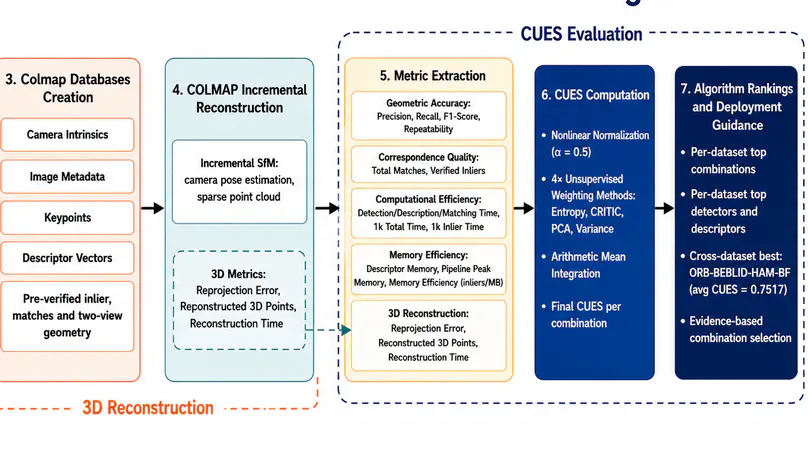
Towards Efficient 3D Reconstruction from UAV Imagery: Evaluation of Feature Detection, Description and Matching Combinations.
PhD.
(2017).
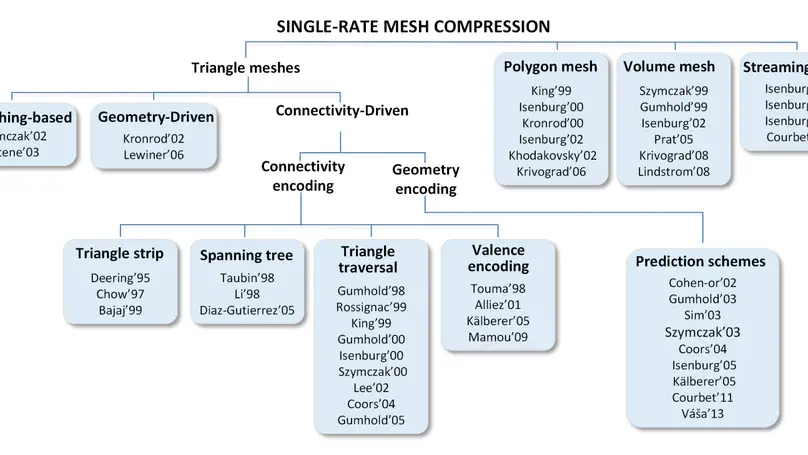
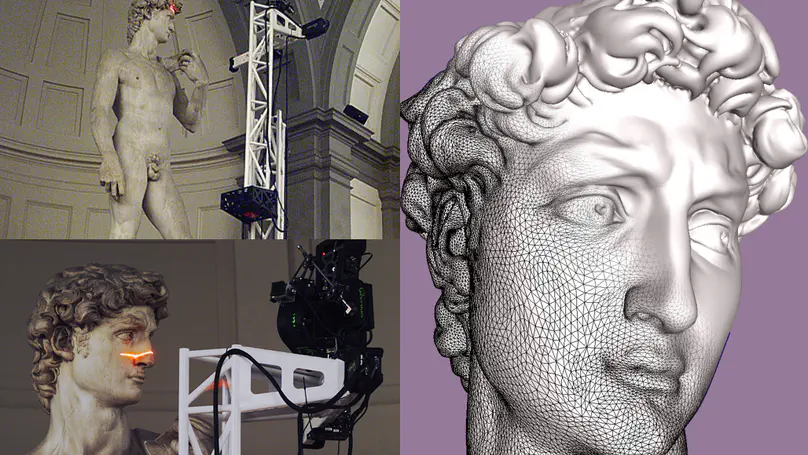
A Brief History of 3D Mesh Compression.
In IMSEC.
Contact
- [email protected]
- +90 543 255 8823
- Çukurova University Computer Engineering Department Building Room 111, Adana, 01180
- Weekdays 08:30 to 09:30
- Telegram